Upcoming Events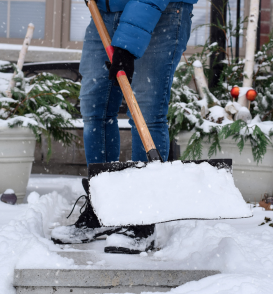
Many common winter injuries result from slipping and falling on icy sidewalks and driveways. We are all guilty of rushing to our cars in frigid temperatures and not always wearing the proper footwear. “A slip and fall can result in a hip fracture or head injury, and for the elderly, injuries can be even more devastating,” says Dr. Adrienne Fueg. Taking some simple precautions can significantly reduce the risks of preventable accidents.
Ways to Avoid Slips and Falls
To avoid slipping on icy surfaces:
• Be mindful and aware of where you are walking. Take your time, walk slowly, and stay off your phone.
• Avoid slippery surfaces, such as wet leaves, icy areas, and snowbanks.
• Wear the proper footwear. Shoes or boots should have good treads. If there is inclement weather, wear boots and change your shoes when you arrive at your destination.
• Use handrails to prevent falls.
• Remove shoes when you get home so you don’t track snow and slush into your home and create a fall hazard.
• Use salt or sand on your driveway and stairs outside your home to increase traction.
• Wear a hat – not only will it insulate you from the cold, but it can help cushion your head from the impact of a fall.
Avoid Sports-Related Injuries
For children and teens, the most common winter injuries are sports-related, including sledding, snowmobiling, and skiing. Sledding headfirst or in unsafe areas can lead to serious head injuries or traffic-related accidents. Dr. Fueg suggests the use of helmets to avoid head injuries as well as choosing safe, supervised locations,
To sled safely:
• Choose a hill that isn’t too steep and has a long flat area at the bottom.
• Don’t slide on a hill that ends near a street, parking lot, pond, trees or fences.
• Sled during the daytime, when you can see potential hazards. If you go sledding at night, choose a well-lit hill.
To avoid other sports-related winter injuries:
• Wear protective gear appropriate for your sport, including goggles, helmets, gloves and padding.
• Wear proper footwear that provides warmth and dryness, as well as good ankle support.
• Before skiing or snowboarding, take at least one lesson to learn how to fall correctly and safely.
• Wear wrist guards when snowboarding, to lessen the impact on your wrists if you fall.
Other Common Winter Injuries
Shoveling snow can cause serious injuries, including heart attacks and back strain. “This is most dangerous when done by those who aren’t usually physically active,” says Dr. Fueg. Shoveling too much too quickly puts significant stress on the heart, so it’s essential to take breaks, go slowly, or hire help if needed.
Burns from electric blankets and heaters are another winter hazard. “People with diabetes have decreased sensation in their feet; if they sit too close to the heater, they may get burned without realizing it.” Dr. Fueg notes.
Carbon monoxide poisoning is a significant winter safety hazard. Each year, 20,000 to 30,000 people in the United States are sickened by accidental carbon monoxide poisoning and approximately 500 people die, many in their own home. Carbon monoxide is colorless, odorless, and tasteless. It cannot be detected by humans without the help of a detector. Carbon monoxide detectors sound an alarm when they sense a certain amount of carbon monoxide in the air over time. Protect your family by making sure you have a working carbon monoxide detector.