Upcoming Events
Understanding hand injuries
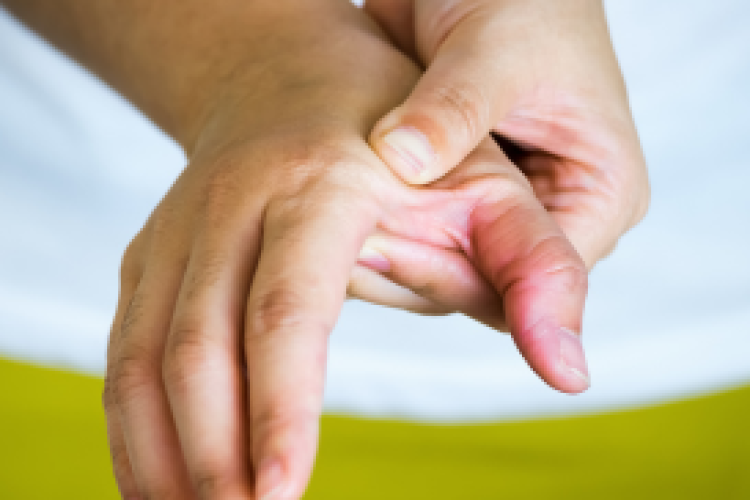
Is discomfort in your hand or wrist limiting your daily routine? While it’s a challenge to get a grip on what’s causing the pain, relief is within reach. Orthopedic Hand surgeon Ugochukwu Udogwu, MD, of Montefiore Einstein Comprehensive Orthopedic & Spine Center, shares how to put a finger on the problem—and choose the best treatment option.
Early intervention
Participating in sports, working out, cooking, falls, or just repetitive everyday activities like texting, can cause hand injuries. Dr. Udogwu treats a wide range of hand and upper extremity conditions: from everyday injuries like lacerations, ligament sprains, and fractures to more complex issues involving tendons, nerves, arthritis, joints of the upper extremity, and sports related problems.
A lot of what I see, are problems people try to push through at first, but addressing them early can make a big difference in recovery and long-term function,
says Dr. Udogwu.
In good hands
Depending on the specific injury, treatment ranges from simple, non-surgical options to more advanced surgical procedures when needed. Dr. Udogwu explains that many conditions can be managed with rest, splinting, hand therapy, topical anti-inflammatory ointments, or targeted injections to reduce pain and inflammation. The goal is always to start with the least invasive approach that will get you back to using your hand comfortably and confidently,
she says.
Specifically, diclofenac, counter-irritants, and numbing agents like lidocaine are all topical medications that Dr. Udogwu would generally recommend to reduce pain and inflammation. If pain isn’t improving with conservative treatments, cortisone injections can be an effective option.
Cortisone shots work by delivering strong, anti-inflammatory medication directly to the source, often providing quick relief and making it easier to move and rehabilitate the area,
says Dr. Udogwu.
But they’re not always a forever fix.
The relief from Cortisone shots can be temporary, and repeated injections can weaken tendons or soft tissue, and can cause temporary skin/muscle thinning at the injection site, cause a short-term flare in pain, and pose a small risk of infection. For diabetic patients, the injection may temporarily elevate blood sugar.
When injuries are more complex, surgery may be the best option to restore function.
When something won’t heal well on its own or could lead to long-term loss of function, that’s when it’s time to explore surgery,
says Dr. Udogwu. This includes unstable fractures/dislocations, tendon or nerve injuries, severe ligament tears, and advanced arthritis that hasn’t responded to conservative treatment.
And with the evolution of surgery, Dr. Udogwu says the healing process has been expedited. Hand surgery has advanced significantly with better fixation techniques, improved implants for small bones and joints, and a stronger focus on early motion and faster functional recovery,
says Dr. Udogwu.
Palm-powered prevention
There’s a lot we can do to protect our hands. Dr. Udogwu recommends building in small breaks to let the hands reset, alternating tasks when possible, and paying attention to early warning signs rather than pushing through pain.
Practicing simple exercises like making a full fist and then fully straightening the fingers, tendon gliding exercises, and squeezing a soft ball to build strength, can work as protection against injury,
she says. For people in high-use professions, ergonomic adjustments such as better tool grips or keyboard positioning can also reduce strain significantly. The goal isn’t to stop using your hands, but to use them in a way that keeps them strong, healthy, and pain-free over the long term.