Upcoming Events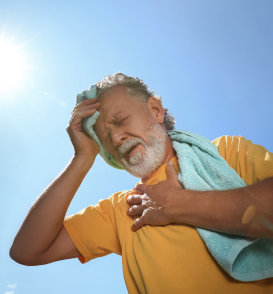
While the Center for Disease Control (CDC) shares that older adults over the age of 65 and children are most at risk for heat related illnesses, Jamil Rizqalla, DO, FACEP, FAWM, director of the Emergency Department at Montefiore Nyack Hospital, says the heat can impact anyone.
It’s important that we check on our family, friends, and neighbors who are at high risk during heat waves and just hot weather in general,” Dr. Rizqalla says. “You never know how the heat will affect them.
But that doesn’t mean they can’t enjoy some fun in the sun. This summer while you’re enjoying a healthy dose of Vitamin D, make sure you’re taking the proper precautions to stay safe in the sun:
- Wear Sunscreen. Apply it before you go outside, at least every two hours or every time you come out of the water. If you find you’re sweating a lot, apply it more frequently.
- Stay hydrated. Carrying water and filling it up throughout the day is paramount when you’re participating in outdoor activities.
- Chill out. Take a break from the heat and find shade or airconditioned shelter.
- Check your medications. Some medications can cause adverse effects if you’re in the heat. Talk to your doctor to find out what steps you need to take to stay safe while enjoying the sunshine.
- Feeling the heat. Being in tune with your body is key when avoiding heat-related illnesses. If you feel dizziness, nausea, muscle cramping, weakness, or experiencing unusually heavy sweating, find cool shelter immediately or seek medical care.
- Know before you go. Check the air quality and the heat risk in your area, here: HeatRisk | Tracking | NCEH | CDC
Release Date